

ASTR Institute Offers Provider Training in Root-Cause Chronic Pain Treatment for Healthcare Professionals

ASTR tools scar tissue tools
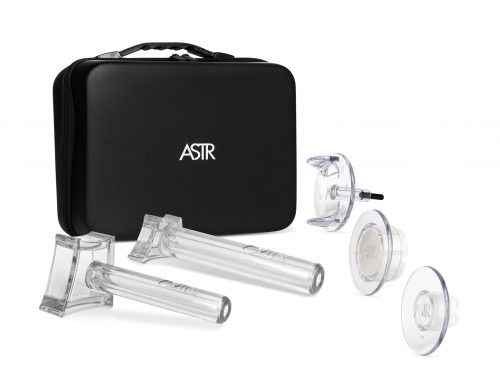
ASTR Tools

Pain No More Book by Dr. Jacobs

Dr. Joseph Jacobs, DPT, ACN
ASTR provider training teaches root cause chronic pain treatment, scar tissue release, fascia release, patented tools, and soft tissue protocols.
Chronic pain remains a major public health issue. The Centers for Disease Control and Prevention reported that in 2021, an estimated 51.6 million U.S. adults experienced chronic pain, and 17.1 million experienced high-impact chronic pain that substantially restricted daily activities. These figures help explain why many patients continue to seek providers who can evaluate complex pain patterns rather than symptoms alone.
ASTR Institute's educational position is that chronic pain is often multifactorial. A patient may have scar tissue, fascial restrictions, trigger points, inflammation, posture-related strain, ergonomic strain, stress-related guarding, inflammation influenced by nutrition, and movement compensation patterns all contributing to the same pain cycle.
"Many healthcare providers want better tools for patients who do not respond to standard care," said Dr. Joseph Jacobs, DPT, ACN, founder of ASTR Institute. "ASTR provider training is designed to teach a root-cause approach that helps clinicians look at scar tissue, fascia, trigger points, inflammation, posture, ergonomics, behavior, and the nervous system together."
- Why Root-Cause Training May Help Chronic Pain Providers
Many patients with chronic pain have already tried several forms of treatment before seeking a new provider. They may have completed physical therapy, received injections, taken medication, seen chiropractors, used massage, tried stretching programs, or undergone surgery. Some improve; others continue to experience pain, stiffness, weakness, headaches, jaw pain, back pain, neck pain, shoulder pain, foot pain, or widespread symptoms.
ASTR Institute's educational view is that chronic pain may persist when care focuses only on strengthening, stretching, imaging findings, medication, or a single painful body part. These approaches may help some patients, but they may not address contributors such as scar tissue, fascial adhesions, trigger points, myofascial restrictions, inflammation, ergonomics, stress physiology, and protective movement patterns.
The CDC's nonopioid pain management guidance lists several nonopioid and nonpharmacologic options for subacute and chronic pain, including exercise therapy, mind-body practices, psychological therapies, manual therapies, mindfulness-based stress reduction, acupuncture, massage, and spinal manipulation. ASTR Institute views this broader movement toward nonopioid, functional, and patient-centered care as consistent with the need for providers to develop more integrated chronic pain skills.
"Root-cause treatment does not mean one technique fixes everything," Dr. Jacobs said. "It means the provider learns to ask better questions. What tissue is restricted? What movement is limited? What habits are reinforcing the pain? What inflammation, posture, stress, or behavior patterns are involved?"
- What Providers Learn in ASTR Training
ASTR stands for Advanced Soft Tissue Release. ASTR describes its model as focusing on identifying and addressing root contributors to pain, including scar tissue, fascial restrictions, trigger points, inflammation, posture, ergonomics, nutrition, stress, behavior patterns, and movement dysfunction.
ASTR provider training includes education in Advanced Soft Tissue Release techniques, patented ASTR treatment tools, scar tissue release, fascial restriction release, myofascial release, visceral fascia release, trigger point release, treatment protocols, body mechanics, ergonomics, posture, and root-cause thinking. According to the institute's materials, provider training is offered as self-paced online certification covering ASTR treatment protocols, patented ASTR treatment tools, scar tissue and fascial restriction release, and research-informed treatment methods.
The training is designed to help providers evaluate chronic pain patterns rather than treating only the location of pain. For example, shoulder pain may involve the neck, chest, upper back, posture, scar tissue, trigger points, or repetitive strain. Knee pain may involve the hip, ankle, foot, gait mechanics, fascial restrictions, or prior injury. Jaw pain may involve the neck, face, head posture, stress, clenching, fascia, and soft-tissue restrictions.
ASTR Institute emphasizes that chronic pain care often requires pattern recognition, and that providers benefit from understanding how restrictions in one area may relate to another area of the body.
- Scar Tissue, Fascia, and Myofascial Pain
One focus of ASTR provider training is helping clinicians understand the potential role of scar tissue, fascial restrictions, and myofascial pain in chronic symptoms.
Scar tissue may develop after injury, surgery, inflammation, repetitive strain, or trauma. When scar tissue becomes restricted, it may limit tissue mobility and contribute to stiffness, pain, and movement dysfunction.
Fascia is connective tissue that surrounds muscles, nerves, blood vessels, organs, and other structures. When fascia becomes restricted, it may create abnormal pulling patterns and contribute to pain in nearby or distant areas.
Trigger points may create local or referred pain, meaning a patient may feel pain in one area while a contributing soft-tissue restriction is located elsewhere. ASTR Institute teaches providers to evaluate these relationships rather than assuming the painful area is always the only source of the problem.
"Many chronic pain patients are not simple cases," Dr. Jacobs said. "A provider may need to release scar tissue, improve fascial mobility, address trigger points, improve posture, teach better ergonomics, and help the patient change daily patterns that keep irritating the tissue."
- Patented Tools and Structured Protocols
ASTR provider training includes the use of patented tools developed by Dr. Jacobs, designed to help providers address soft-tissue restrictions, scar tissue, fascial tightness, and myofascial pain patterns using structured techniques.
ASTR Institute emphasizes that tools alone are not the focus; providers also need training, clinical reasoning, and defined protocols. A structured approach is intended to help the provider understand where to treat, how to treat, how much pressure to use, how to progress, and how to connect treatment to function. The training is designed to teach step-by-step methods so clinicians can apply ASTR techniques with clarity and consistency, with the aim of supporting how providers reason through complex chronic pain rather than simply adding another modality.
- The Role of a Biopsychosocial Approach
ASTR Institute teaches chronic pain through a biopsychosocial lens, meaning physical tissue restrictions, biological health, and stress-related patterns are considered together.
A patient may have real soft-tissue restrictions while also experiencing increased pain sensitivity from poor sleep, chronic stress, inflammation, fear of movement, or long-term guarding. A provider who overlooks the emotional and behavioral side of pain may miss important contributors; a provider who overlooks the tissue side may also miss important restrictions.
"Pain is real," Dr. Jacobs said. "When we include stress, behavior, and nervous system regulation in chronic pain care, we are not saying the pain is imaginary. We are saying the body is connected. Providers need training that respects both the physical tissue problem and the whole person."
ASTR provider training encourages clinicians to consider posture, ergonomics, nutrition, lifestyle, stress, behavior modification, and movement patterns as part of a comprehensive chronic pain approach.
- Who May Benefit From ASTR Provider Training
ASTR provider training may be relevant for physical therapists, occupational therapists, chiropractors, massage therapists, athletic trainers, and other healthcare professionals who work with chronic pain, soft-tissue restrictions, scar tissue, fascia, mobility limitations, myofascial pain, headaches, TMJ disorders, back pain, neck pain, shoulder pain, plantar fasciitis, sports injuries, and post-surgical pain.
Providers who frequently see patients after previous treatment may find a root-cause framework particularly useful. Many patients arrive frustrated because they have already tried standard therapy, injections, medication, massage, chiropractic care, or surgery without lasting improvement. The training is designed to help providers serve these patients by considering the full pain pattern in addition to the symptom location.
- Provider Training and Patient Access
ASTR Institute offers provider training as part of its broader mission to expand access to root-cause chronic pain care. The institute also offers a Four Day Intensive Program for complex chronic pain patients, home treatment programs, patented treatment tools, treatment videos, books, supplements, lab panels, and patient education resources.
Through provider training, ASTR Institute aims to help more healthcare professionals understand how scar tissue, fascia, trigger points, inflammation, posture, ergonomics, stress, behavior, and movement dysfunction may contribute to chronic pain.
Dr. Jacobs regards provider education as important because chronic pain patients often receive fragmented care. A patient may see one provider for medication, another for imaging, others for exercises, injections, surgery, or massage. While each provider may help in a specific way, patients may still struggle when no one is evaluating the full pattern.
"The future of chronic pain care needs to be more integrated," Dr. Jacobs said. "Providers need practical training that helps them connect the dots between tissue restriction, function, lifestyle, and the patient's daily pain experience."
- Patient Education Through Books and Online Resources
Dr. Jacobs has authored multiple health books addressing chronic pain, inflammation, nutrition, migraines, back pain, anxiety, depression, diabetes, high blood pressure, and natural healing. His educational work is intended to help patients and providers better understand the potential root causes of chronic symptoms.
ASTR Institute also provides treatment videos, success stories, product education, home treatment options, provider-training resources, and books through its website. These resources are intended to help patients and healthcare professionals understand the ASTR model and its focus on addressing pain at its source.
- About ASTR Institute
ASTR Institute is a chronic pain and natural healing institute founded by Dr. Joseph Jacobs, DPT, ACN — a Doctor of Physical Therapy, Advanced Clinical Nutritionist, inventor of patented medical devices, author, functional medicine practitioner, educator, and cancer survivor. After experiencing chronic migraines, fatigue, and pain, Dr. Jacobs developed the ASTR treatment model to address pain at its source using a biopsychosocial approach.
ASTR stands for Advanced Soft Tissue Release. ASTR describes its model as focusing on identifying and addressing root contributors to pain, including scar tissue, fascial restrictions, trigger points, inflammation, posture, ergonomics, nutrition, stress, behavior patterns, and movement dysfunction. ASTR Institute offers the Four Day Intensive Program, home treatment programs, patented treatment tools, provider training, books, supplements, lab panels, and educational resources for patients and healthcare providers.
Further information about ASTR provider training, root-cause chronic pain treatment, patented tools, scar tissue release, fascia release, and Dr. Jacobs' books is available at https://advancedsofttissuerelease.com/.
- References and Sources
- Centers for Disease Control and Prevention. Chronic Pain Among Adults — United States, 2019–2021. Morbidity and Mortality Weekly Report (2023): https://www.cdc.gov/mmwr/volumes/72/wr/mm7215a1.htm
- Centers for Disease Control and Prevention. Nonopioid Therapies for Pain Management: https://www.cdc.gov/
- Centers for Disease Control and Prevention. CDC Clinical Practice Guideline for Prescribing Opioids for Pain — United States, 2022. Morbidity and Mortality Weekly Report (2022): https://www.cdc.gov/mmwr/volumes/71/rr/rr7103a1.htm
- ASTR Institute. ASTR Online Course — Self-Paced Certification for Healthcare Providers in Advanced Soft Tissue Release: https://advancedsofttissuerelease.com/
- ASTR Institute. ASTR Healthcare Provider Course: https://advancedsofttissuerelease.com/
- ASTR Institute. Myofascial Release Online Course — Self-Paced Certification for Healthcare Providers: https://advancedsofttissuerelease.com/
*This press release is provided for general educational purposes and does not constitute medical advice, diagnosis, or treatment. Providers should apply their own clinical judgment and scope of practice.*
Dr. Joseph Jacobs, DPT
ASTR Institute
+1 949-236-6862
email us here
Visit us on social media:
LinkedIn
Instagram
Facebook
YouTube
TikTok
X
Top 3 Reasons Doctors Choose ASTR Treatment
Legal Disclaimer:
EIN Presswire provides this news content "as is" without warranty of any kind. We do not accept any responsibility or liability for the accuracy, content, images, videos, licenses, completeness, legality, or reliability of the information contained in this article. If you have any complaints or copyright issues related to this article, kindly contact the author above.
